

What a Kitchen Remodel Really Costs on Long Island
Cabinetry, counters, mechanicals and permits — where the money actually goes in a Nassau or Suffolk County kitchen, and what separates a $45k kitchen from a $140k one.
License, insurance, a real scope and a sane payment schedule. The checklist we would hand a friend hiring anyone — including us.
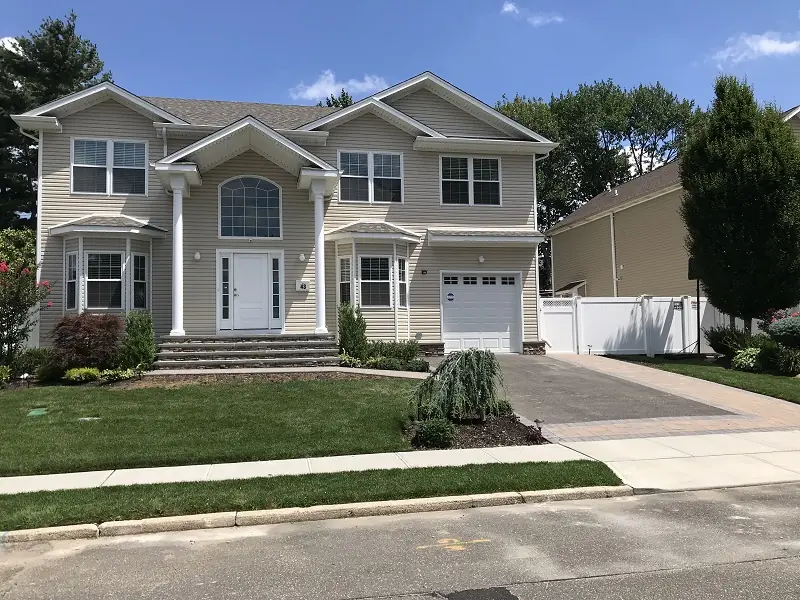
The worst remodeling stories on Long Island almost never start with bad carpentry. They start with a vague one-page proposal, a large deposit and a payment schedule that runs ahead of the work. Here is the vetting process we would want a homeowner to run on us.
Nassau and Suffolk both license home improvement contractors, and the license is verifiable through the county consumer affairs office. Do not accept a license number on a business card as proof — look it up.
Then ask for a certificate of insurance sent directly from the insurance agency, naming you and your address. A certificate forwarded by the contractor as a PDF is easy to alter; one that arrives from the agent is not.
A real contract says what is included, what is excluded, what the allowances are, who supplies what, and what the schedule looks like. If the document is three lines and a number, every disagreement later is a negotiation you will lose.
Pay particular attention to exclusions. 'Electrical upgrades not included' in a gut renovation of a 1955 house is a sentence that will cost you money.
Payments should follow completed work, not the calendar. A modest deposit, then progress payments tied to defined milestones — rough framing complete, rough inspections passed, drywall complete — and a meaningful final payment held until punch list completion.
Be cautious of any request for a large up-front payment for materials that have not been ordered, and get material orders confirmed in writing.
Every renovation has changes. What matters is that each one is written, priced and signed before the work happens. Verbal change orders are the most common source of end-of-project disputes on Long Island jobs.
Ask who your day-to-day contact is, how often you will get a schedule update, and who is on site when the owner is not. On our projects that answer is one named project manager for the duration.
Ask for two references: a recent project similar to yours, and a project from three or more years ago. The second one tells you how the work held up and how the contractor responded to a callback — which is the thing you actually need to know.
A reasonable deposit to secure scheduling and order long-lead materials is normal. A request for a large share of the contract value before work begins is not, and payments should track completed milestones from there.
Nassau and Suffolk County consumer affairs offices maintain searchable home improvement license records. Verify the name on the license matches the name on your contract.
A detailed scope, exclusions, allowances, materials and who supplies them, a schedule, a milestone-based payment schedule, the change-order process, warranty terms, and the contractor's license and insurance information.
Each change should be described, priced and signed by both parties before the work is performed, with its schedule impact stated. Nothing verbal.
Cabinetry, counters, mechanicals and permits — where the money actually goes in a Nassau or Suffolk County kitchen, and what separates a $45k kitchen from a $140k one.
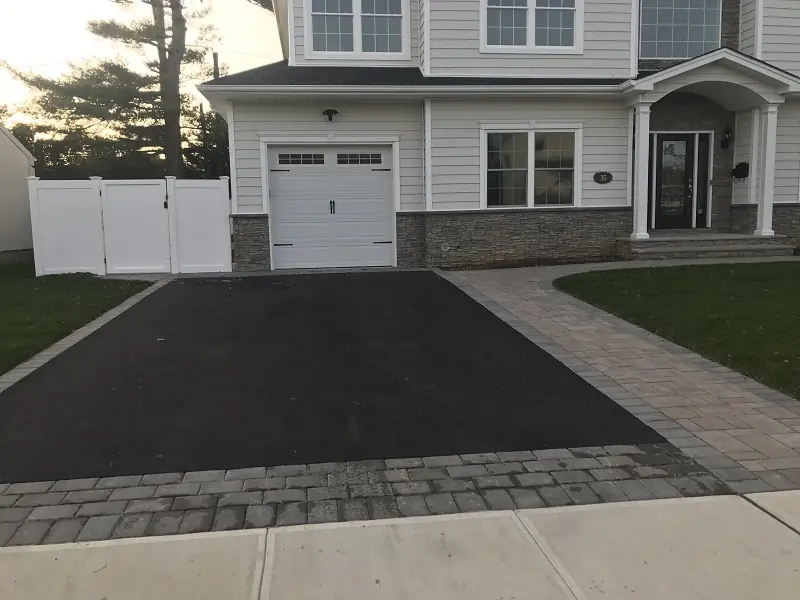
Sunken pavers are a base problem, not a paver problem. What proper excavation, compaction and pitch look like on a Nassau or Suffolk job.
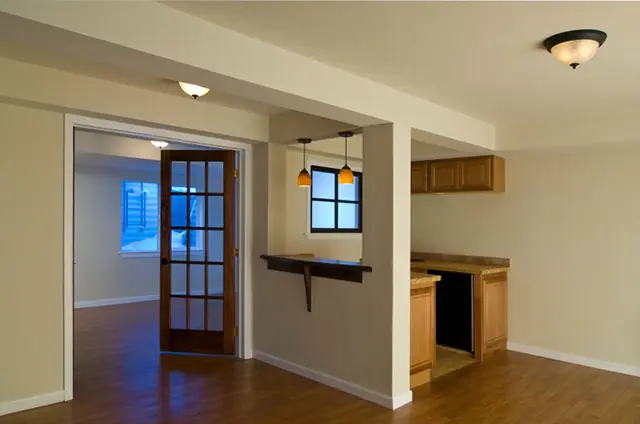
The three things that decide whether a finished basement is an asset or a liability: water, egress and paperwork.
Free on-site estimate across Nassau and Suffolk County — we'll walk the space and put a real scope in writing.